
The Ground Beneath Your Feet
We buy houses with our hearts. We walk into a space, see the way the afternoon sun hits the living room floor, and instantly start placing our furniture in our minds. We imagine the kids running around, or where we’ll sit to read the morning paper. It’s a beautiful feeling, but it’s also a dangerous one. Because while you are looking at the view from the balcony, you might completely miss the fact that the road out front is about to swallow your driveway, or that a nearby pond makes your entire foundation illegal.
The truth is, buying a home is a game of boundaries. If you don't check them yourself, the city will check them for you later, and they won't be polite about it.
Take the road out front, for instance. It looks peaceful now, but cities grow fast. You need to look at the master plans, not just the asphalt today. If that road is marked for widening, your front gate could easily end up becoming someone else's traffic lane. A safe building needs to sit back—at least twenty or thirty feet from a normal street, and much further if it’s a highway. If you build inside that invisible line, you’re essentially constructing a house out of cards, waiting for the first bulldozer to come by.
Water is the other quiet trap. Everyone loves the idea of a lake view, but nature and the law both demand their space. Every lake or pond has a Full Tank Level—the absolute highest the water goes during a terrible monsoon. Around that line sits a strict buffer zone, often stretching hundreds of feet. If a developer builds inside that zone, or near the seasonal storm drains called Rajakaluvas, they are breaking environmental laws. Even if the government doesn't step in to demolish it, the next heavy rainstorm will remind you why those rules existed in the first place.
This is why you have to dig into the history of the soil. You need to look at the "Mother Deed" to see who owned the land thirty years ago, ensuring it wasn't a dry lakebed back then. You need an Encumbrance Certificate to prove no hidden banks or courts have a claim on it. And you must look for the official Occupancy Certificate; without it, you're basically squatting in your own home.
It sounds exhausting, tracking down paperwork and measuring distances while you’re just trying to find a place to live. But you don't have to gamble with your life savings to get a beautiful home.
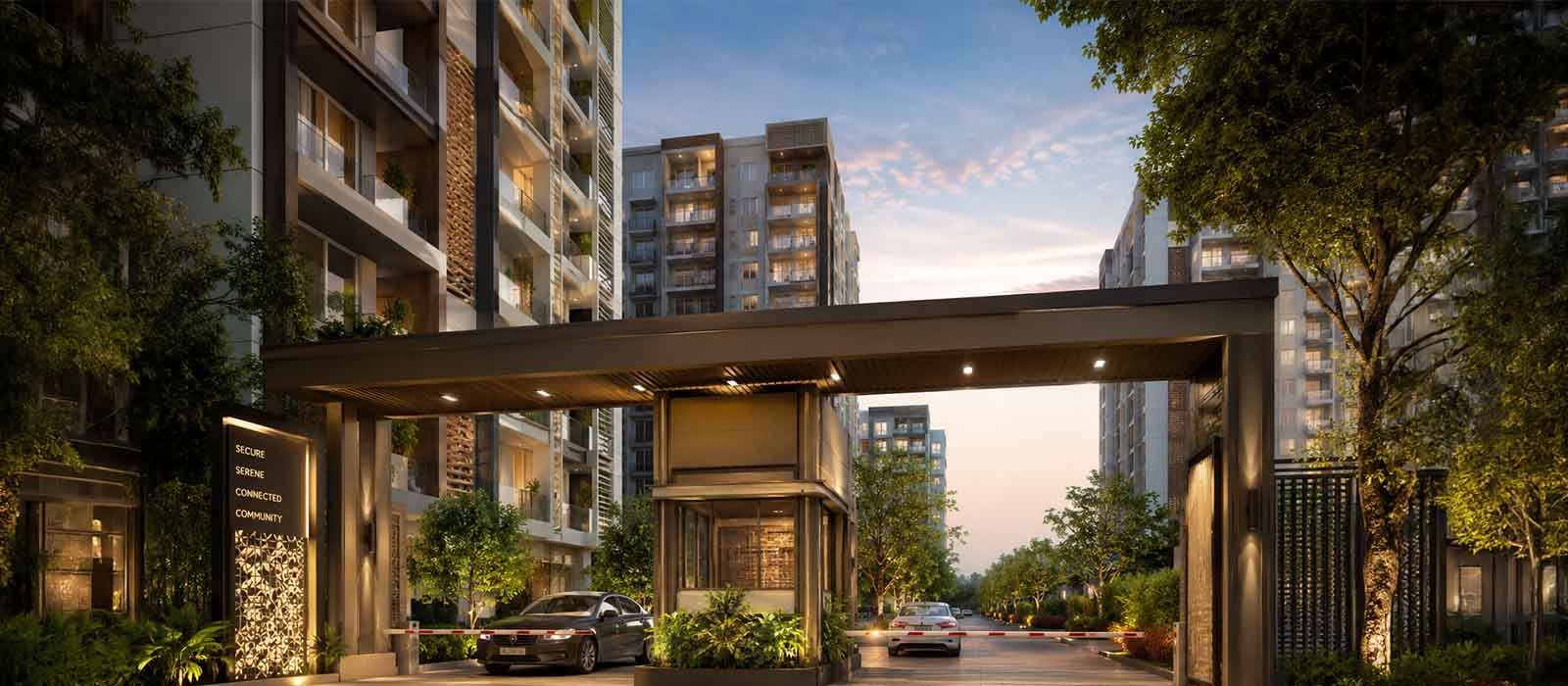
If you want to skip the paranoia and just move into something done right, take a drive out to Boduppal and look at Krishe Pearl. It spreads across six acres of greenery near Uppal, and the people behind it actually respected the rules. Every boundary, every legal clearance, and every brick in these 2 and 3 BHK apartments was planned so you don't have to lie awake at night wondering about setbacks or city master plans. Go take a walk through Krishe Pearl this weekend—it’s exactly what peace of mind looks like in concrete and steel.

 Krishe Pearl
 Krishe Avya